By Abavo Henrientta Ekotomena.
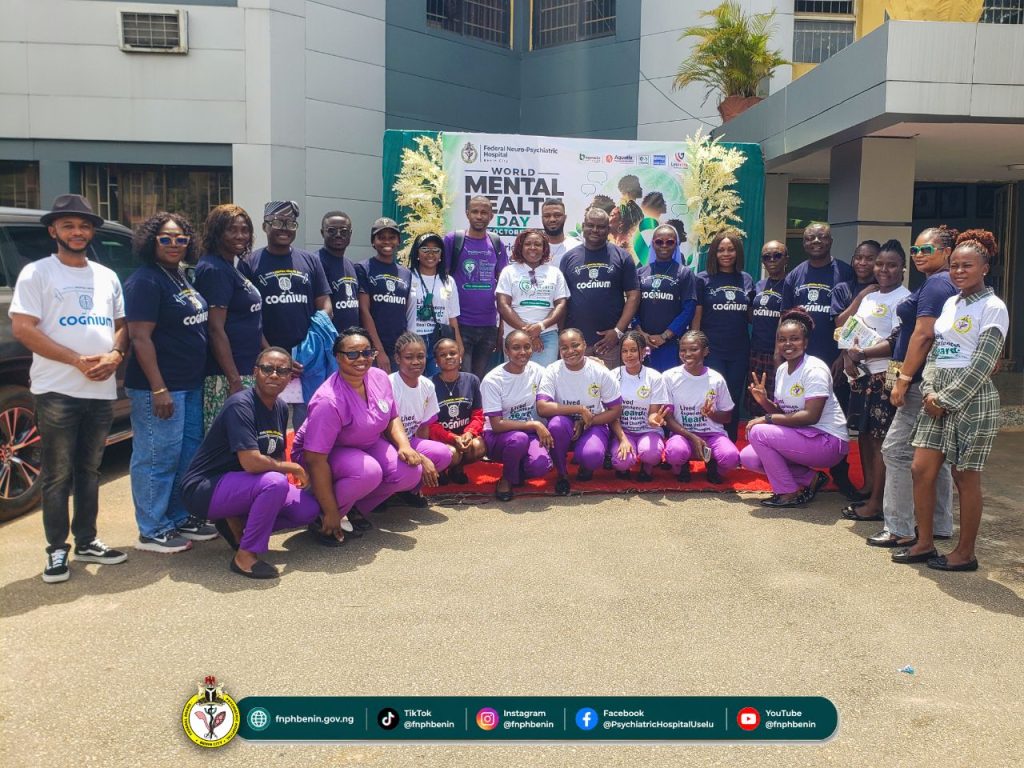
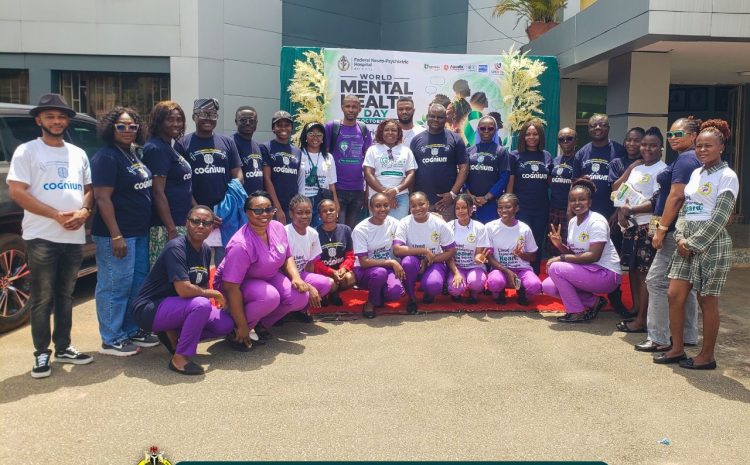
The Federal Neuro-Psychiatric Hospital, Uselu, Benin City, commemorated the 2026 World Mental Health Day with activities focused on public awareness, social inclusion, stigma reduction, and improved mental healthcare delivery.
Observed globally on October 10, World Mental Health Day promotes mental health awareness and collective action to improve wellbeing. This year’s theme, “Lived Experience Heard: Real Voices, Real Change,” emphasised the importance of incorporating the experiences of people living with mental health conditions into policy, healthcare services, and community interventions.
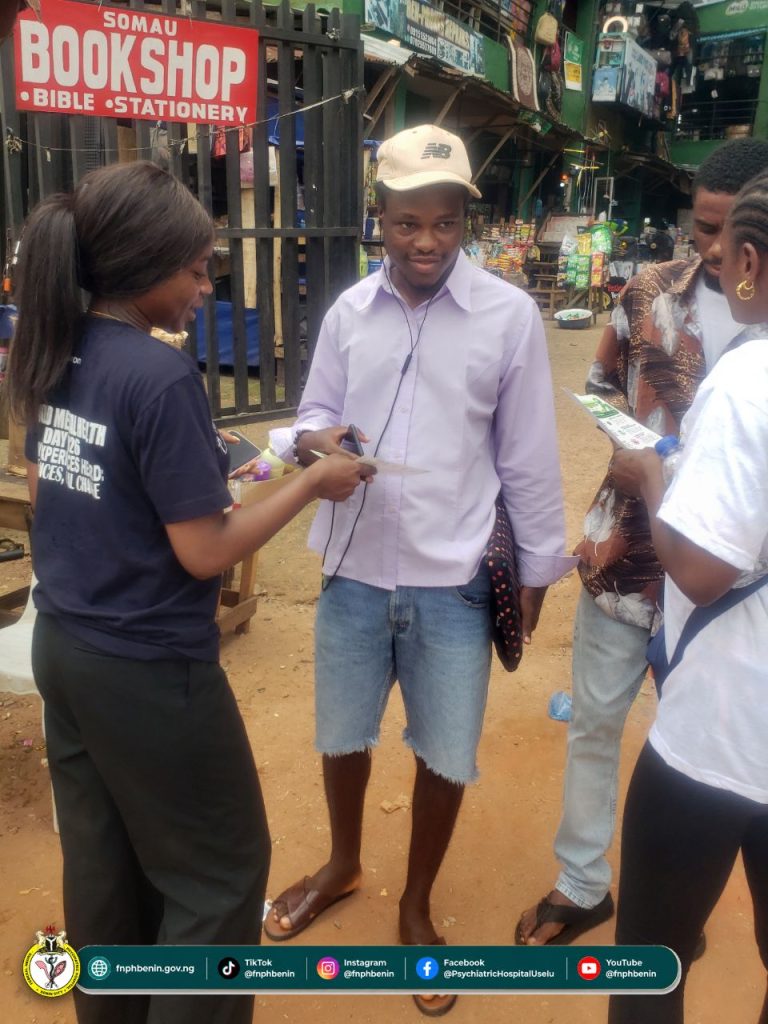
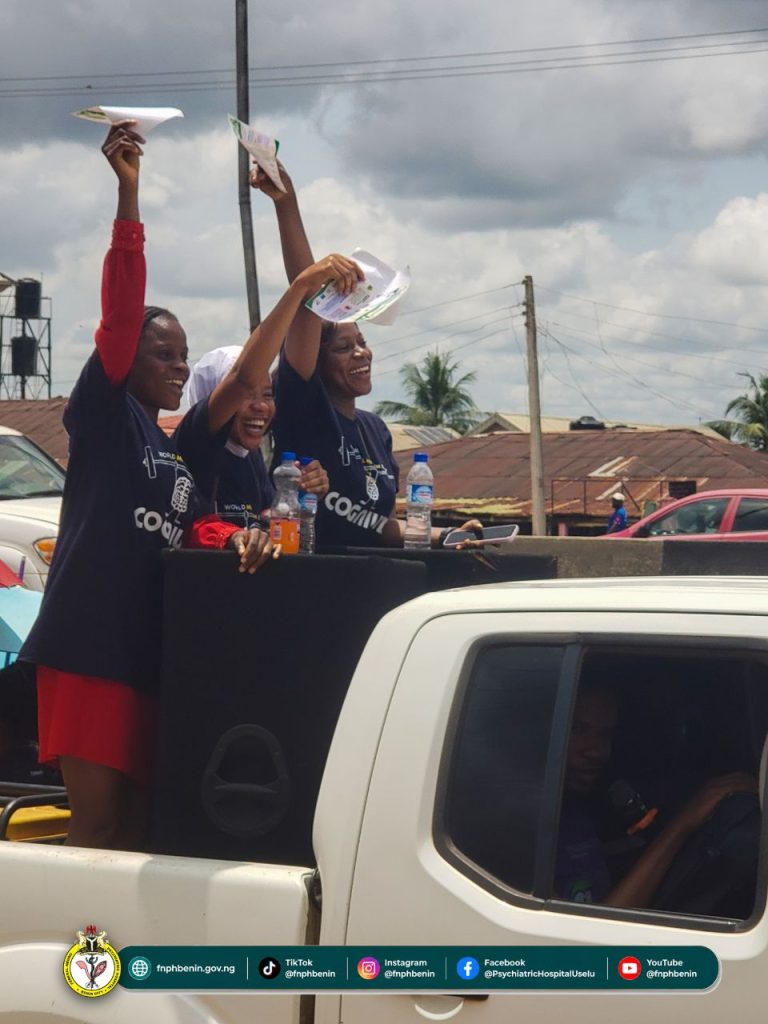
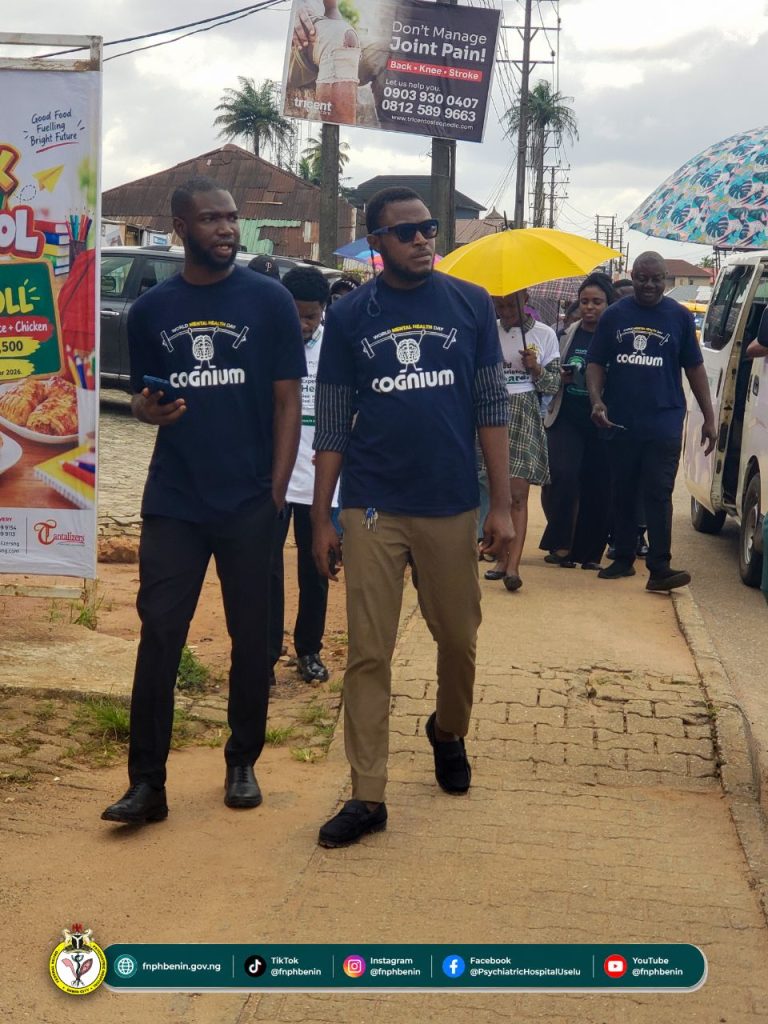
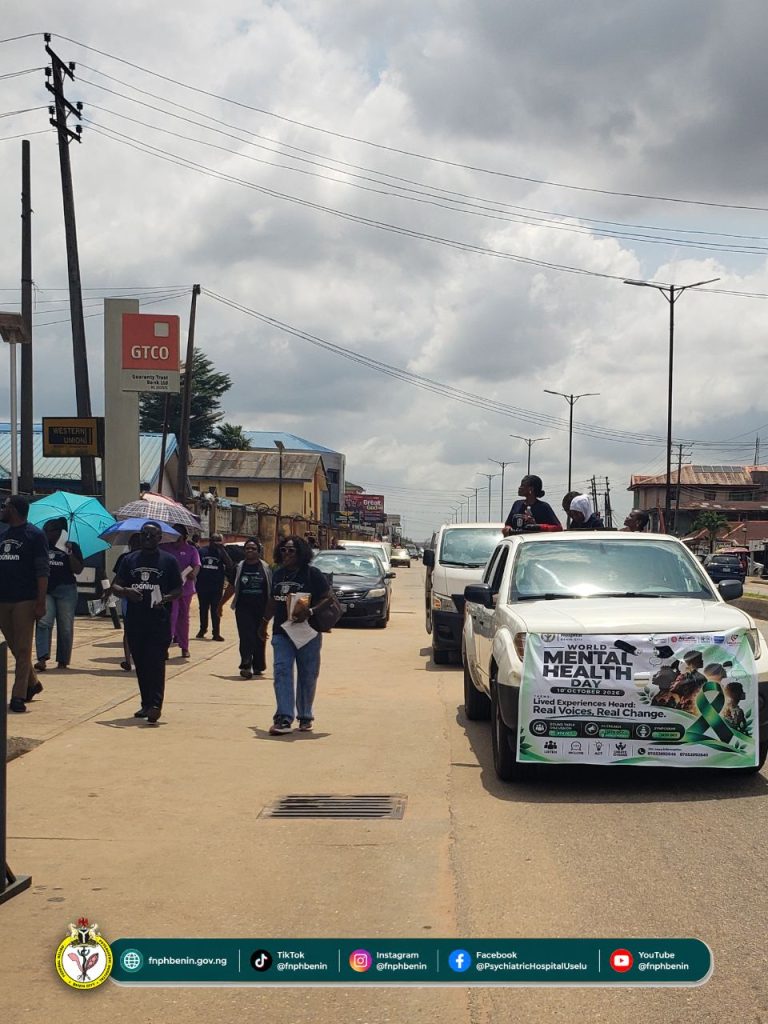
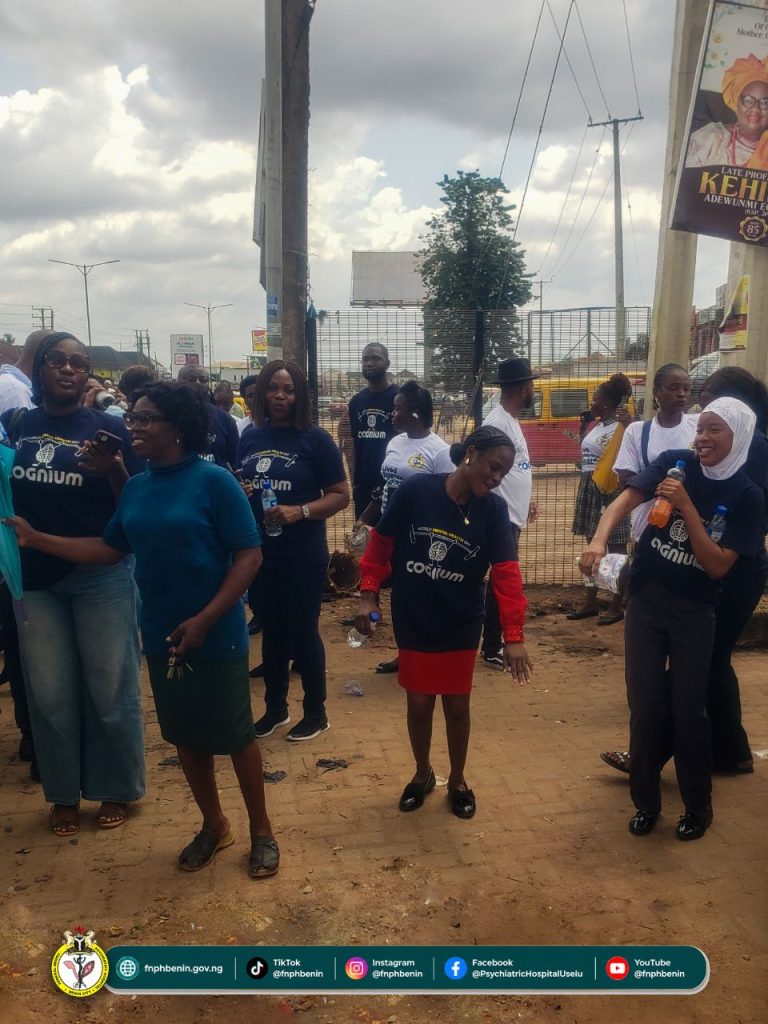
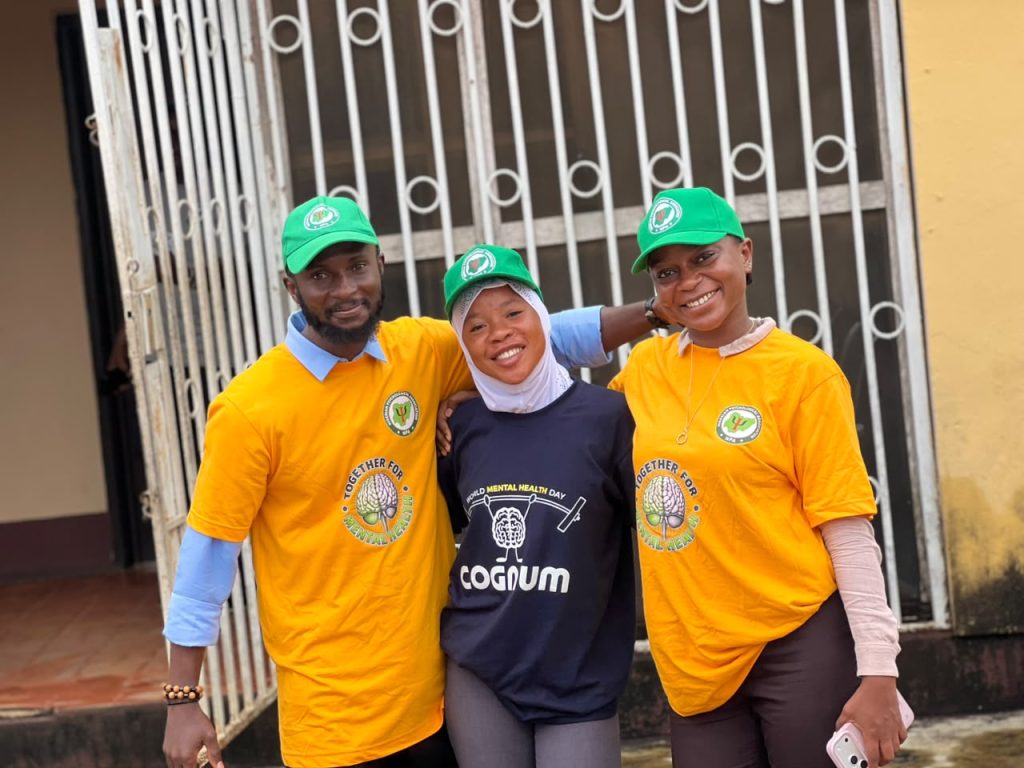
In keeping with the theme, the hospital held a community outreach campaign on October 12, 2026, in the Uselu community. Healthcare professionals engaged residents, traders, and other community members on the importance of treating mental health as seriously as physical health. They discussed awareness, early intervention, and the need to seek professional help, while challenging misconceptions and encouraging dignity, compassion, and understanding for people experiencing mental health challenges.
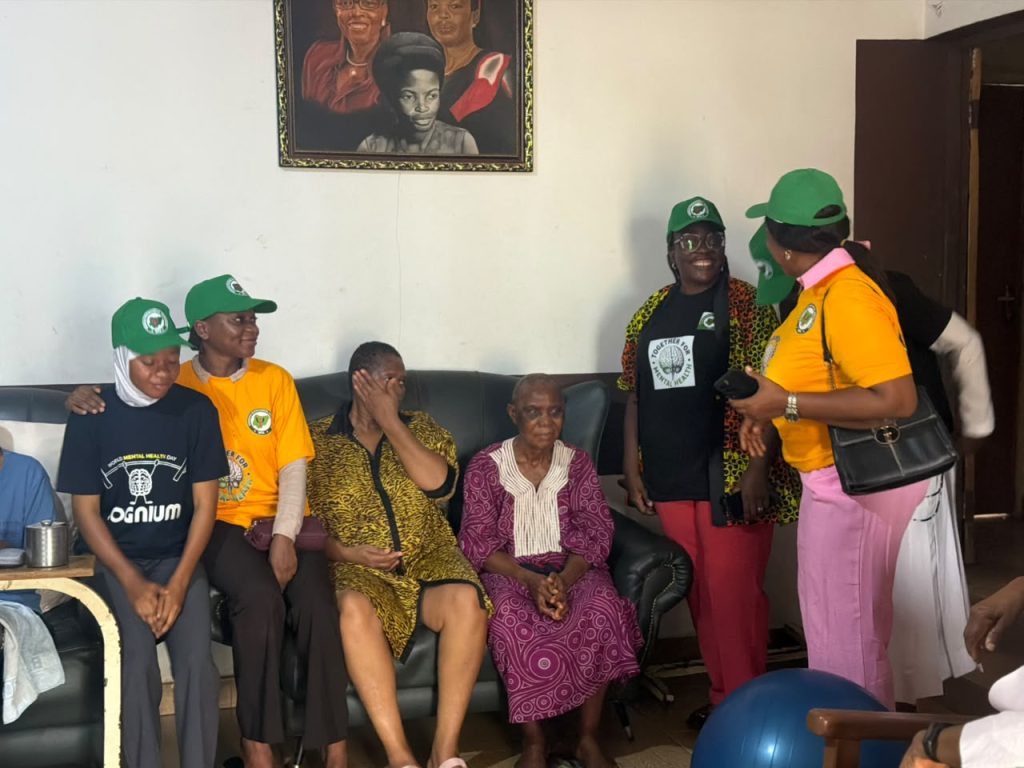
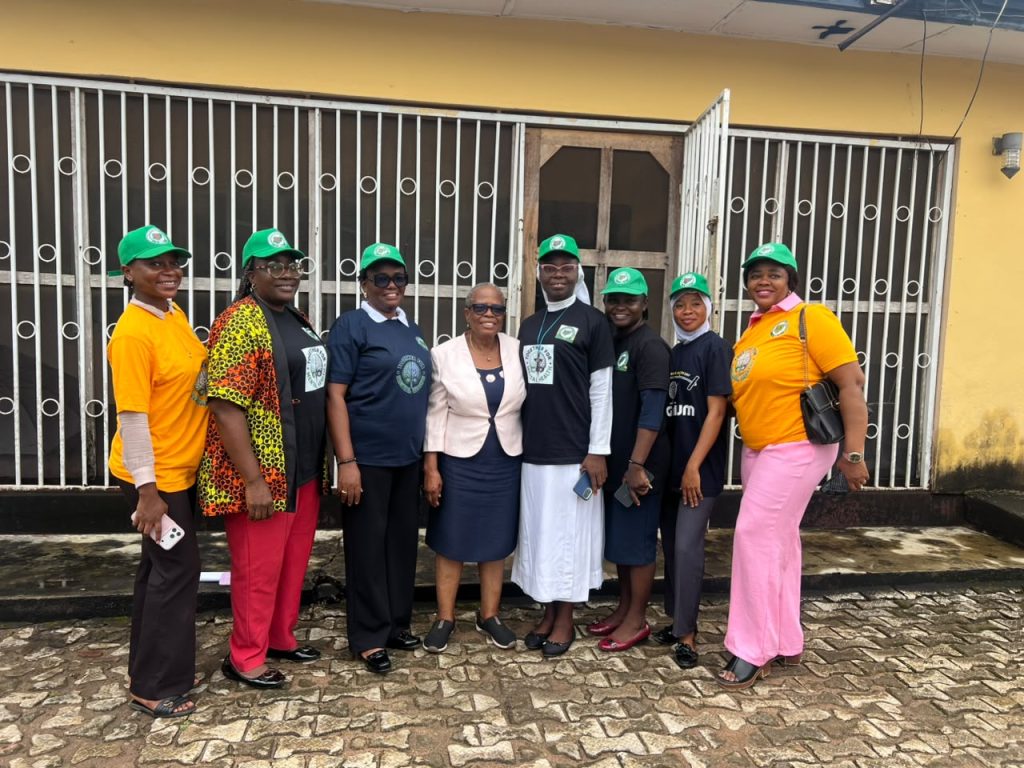
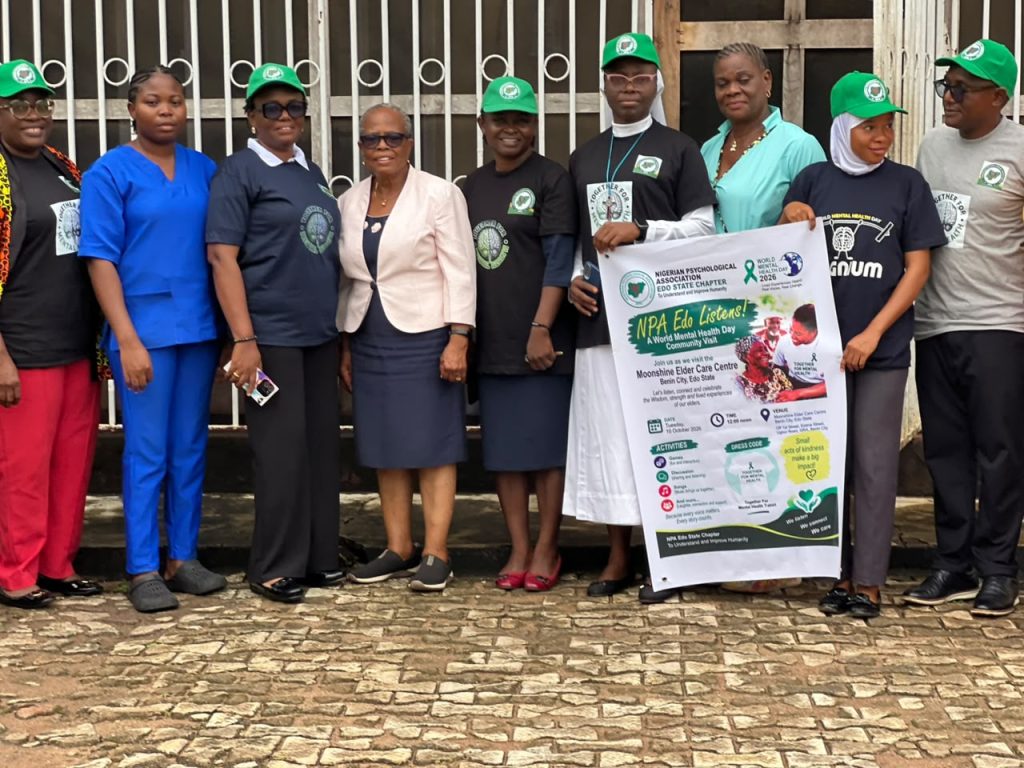
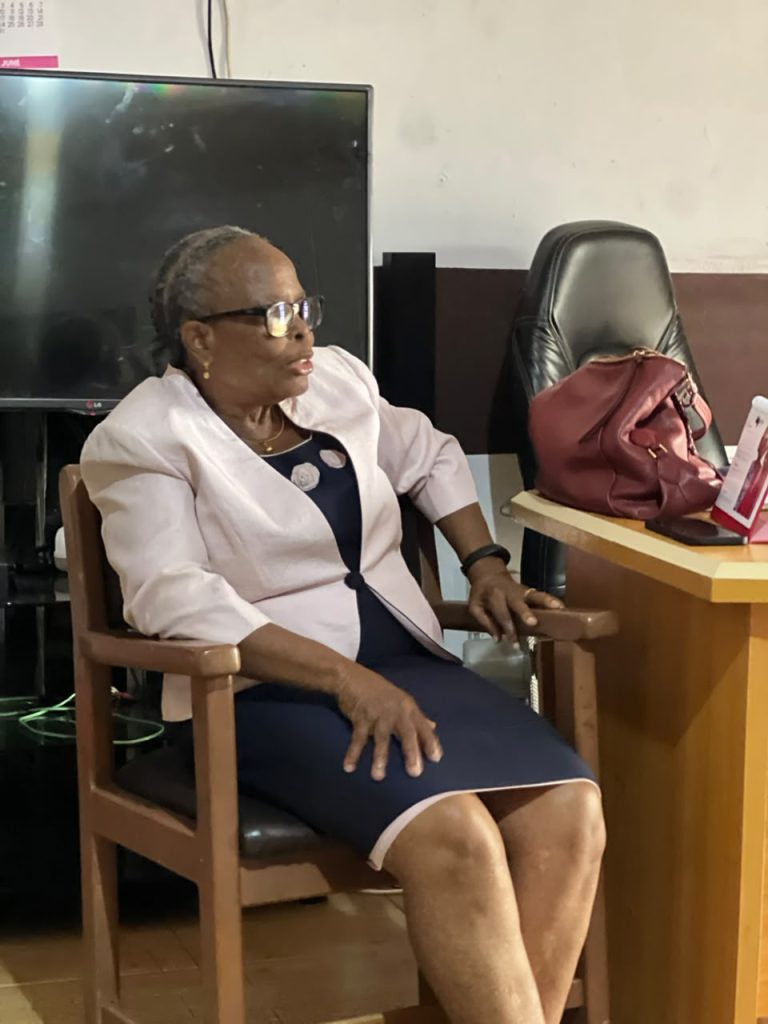
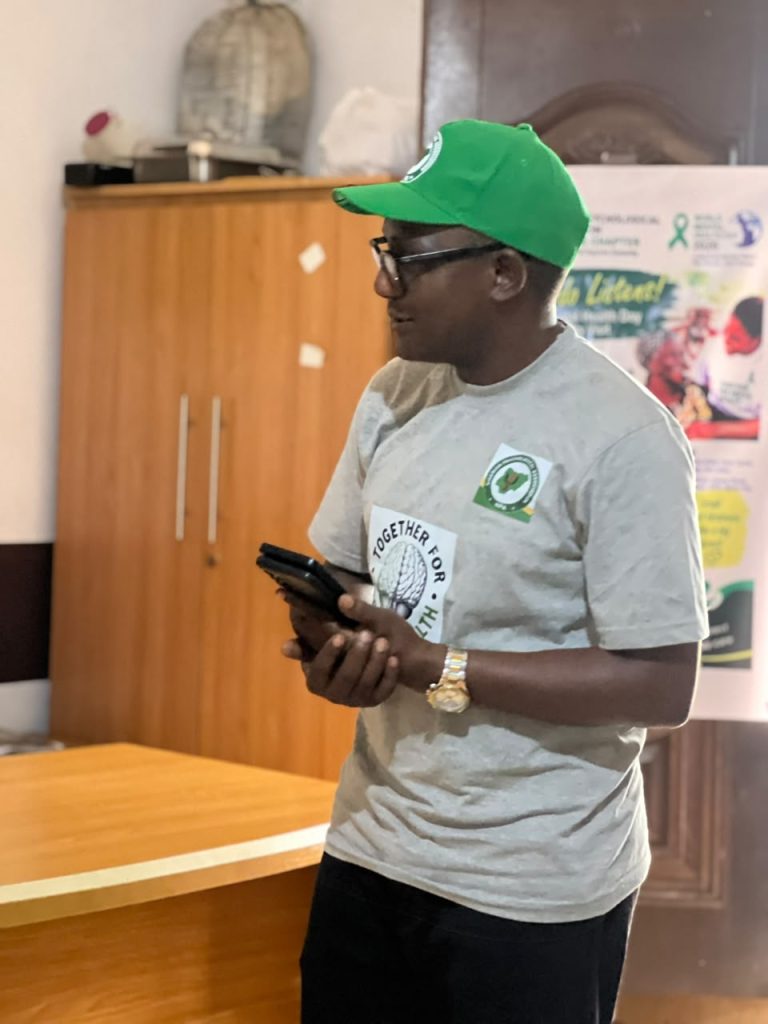
On Tuesday, October 13, the hospital’s Clinical Psychology Unit visited Moonshine Elder Care Centre, Benin City. The visit promoted mental wellbeing and social inclusion among older persons, encouraged compassionate engagement, and highlighted emotional and psychological health as essential parts of overall wellbeing.
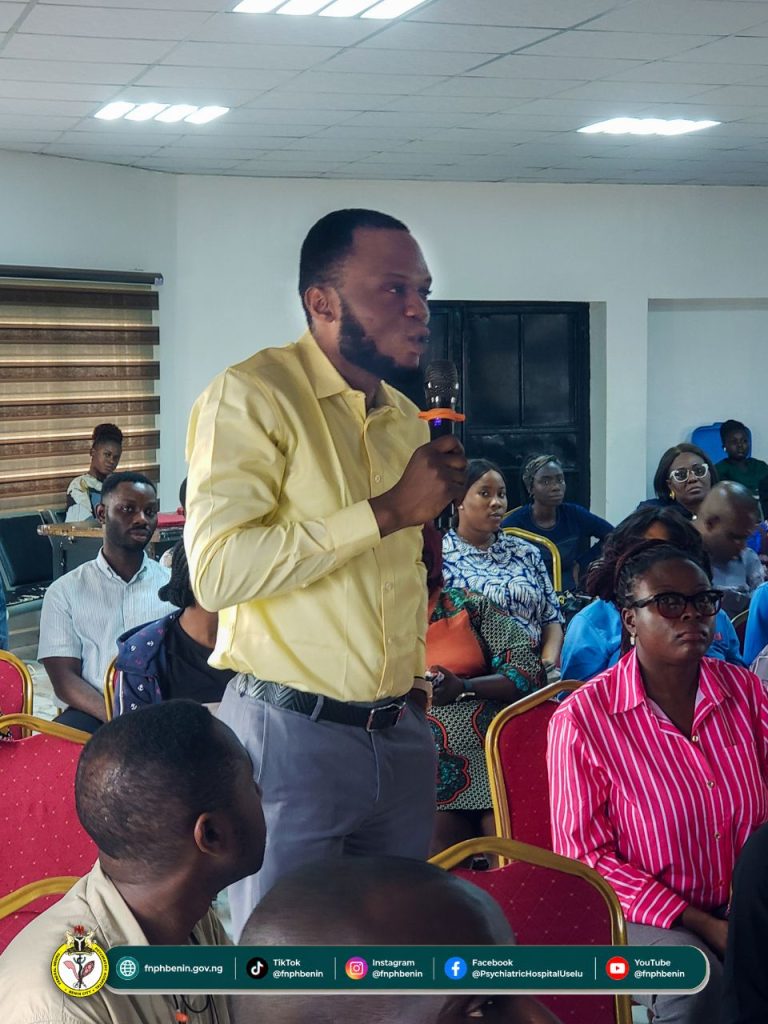
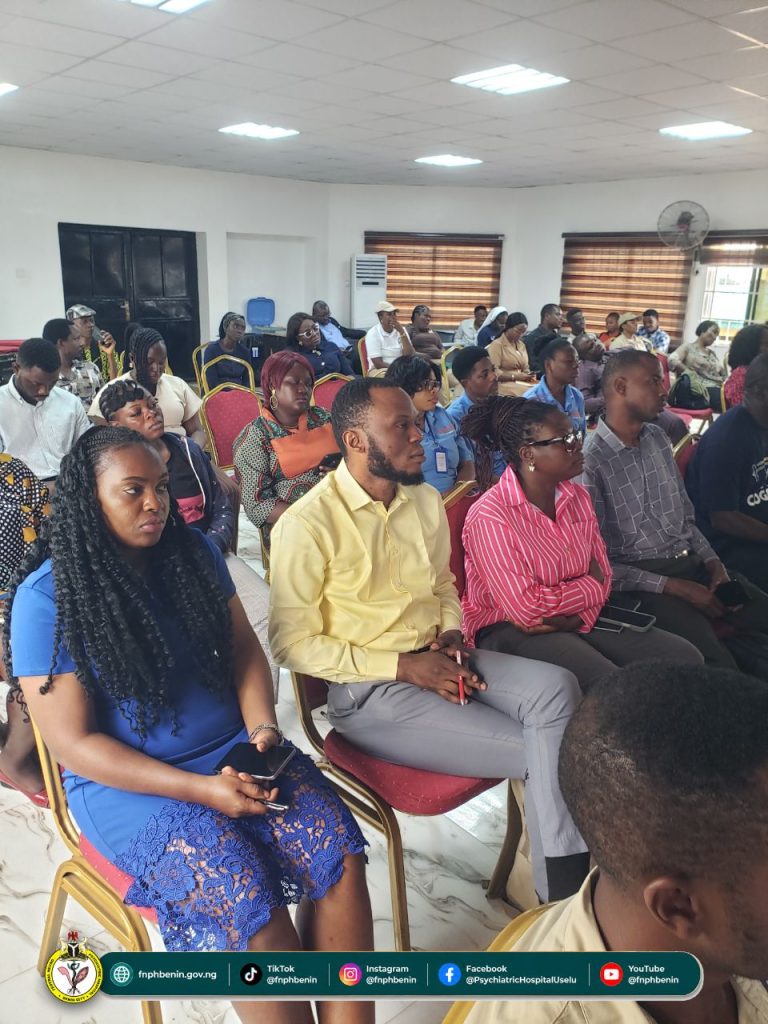
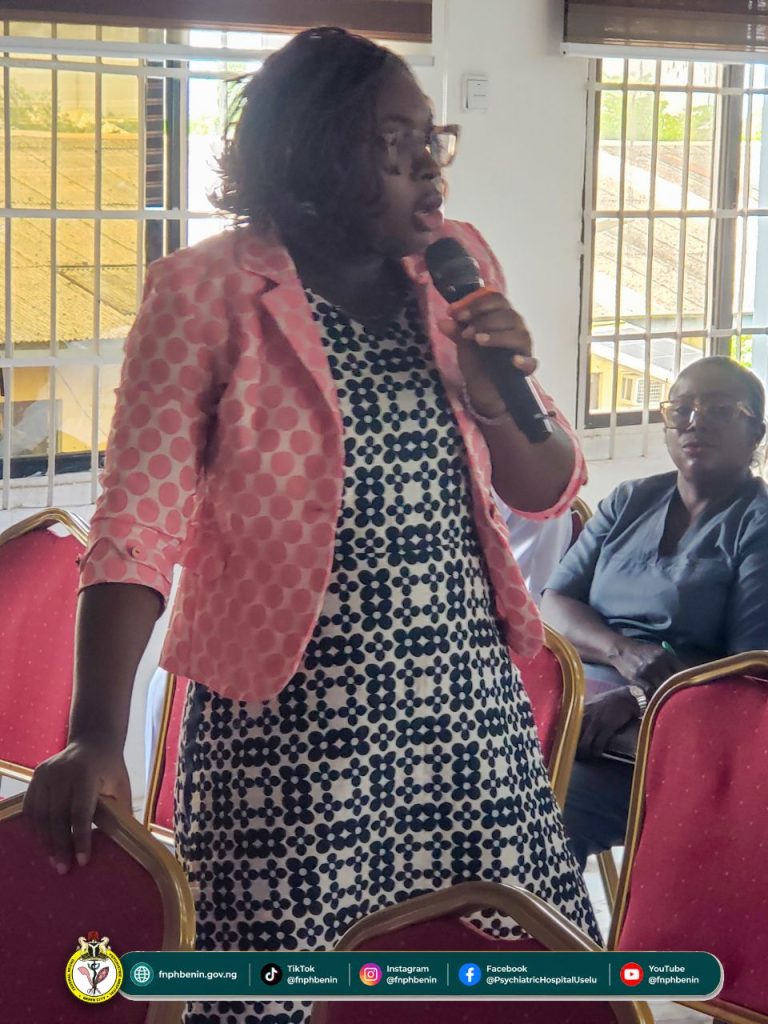
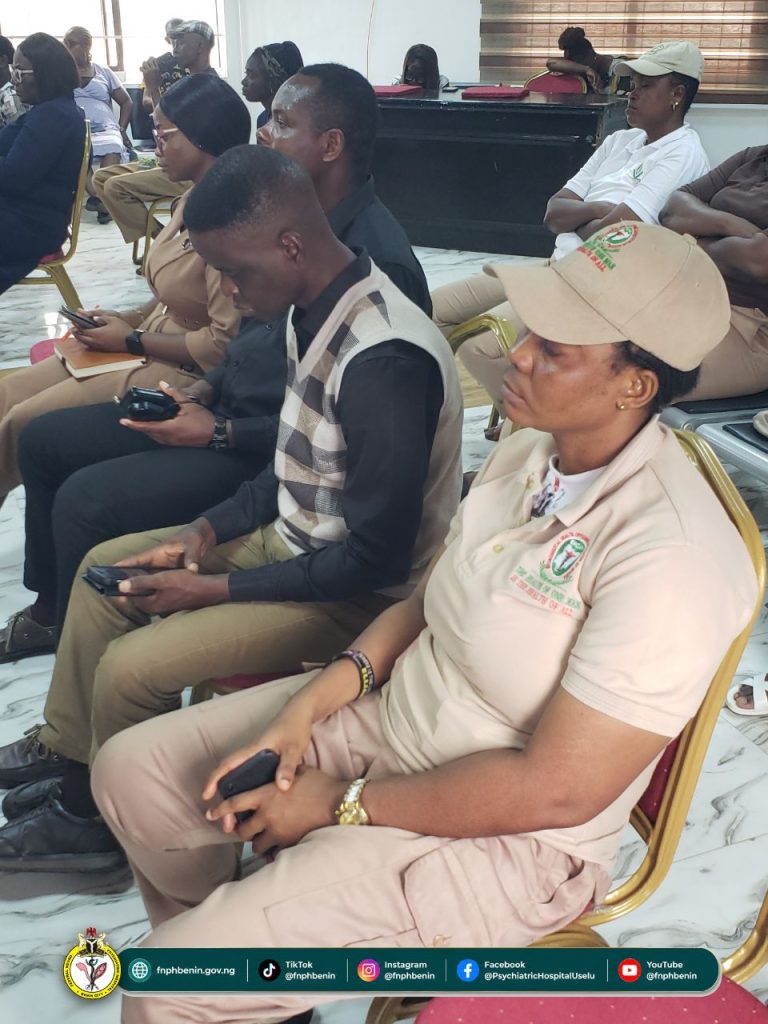
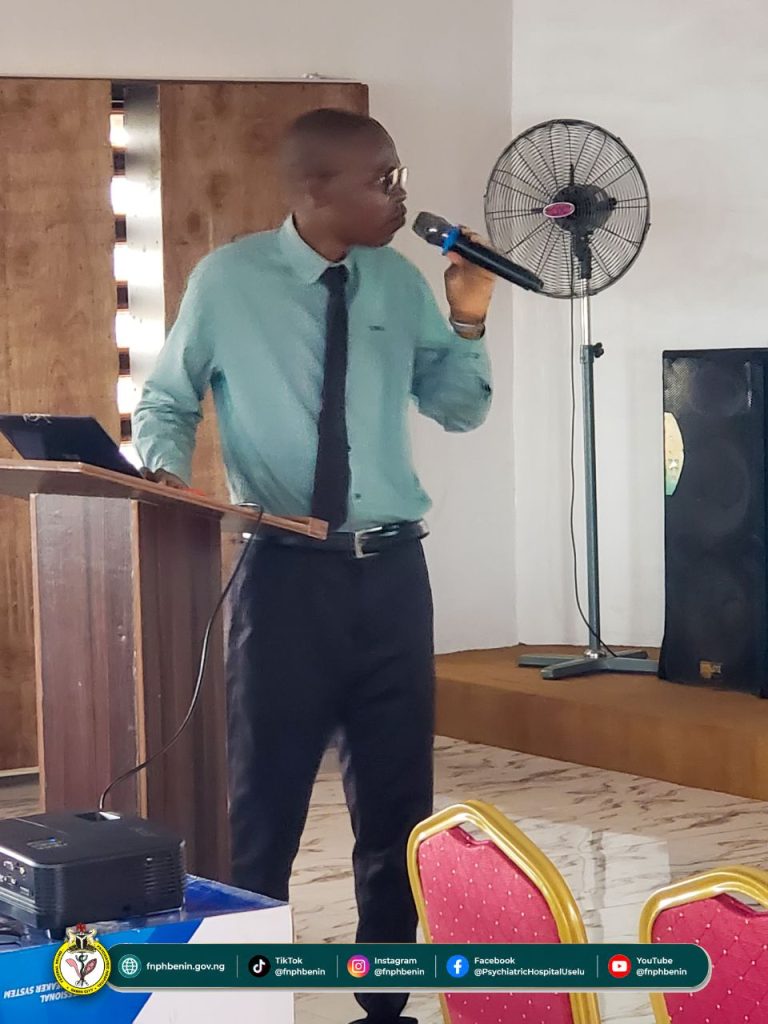
The commemoration continued on Wednesday, October 14, with a symposium at the hospital’s Conference Hall, Uselu. Healthcare practitioners, psychiatry experts, clinical psychologists, social workers, hospital staff, and professionals from allied fields discussed challenges facing people living with mental health conditions and practical ways to improve care.
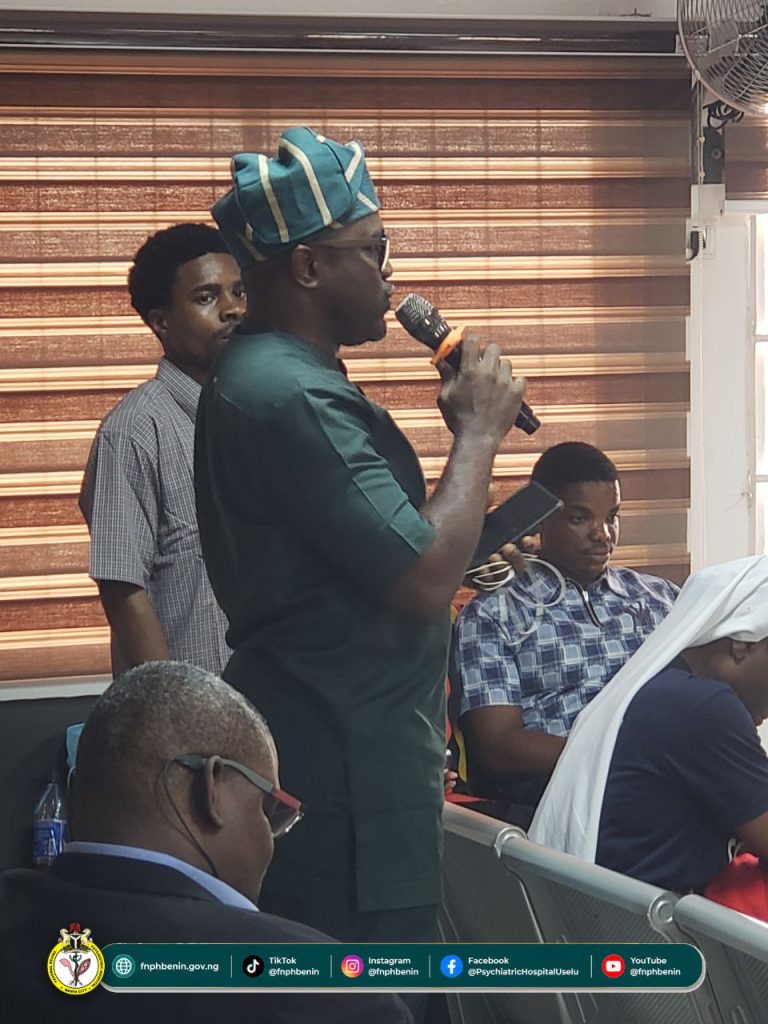
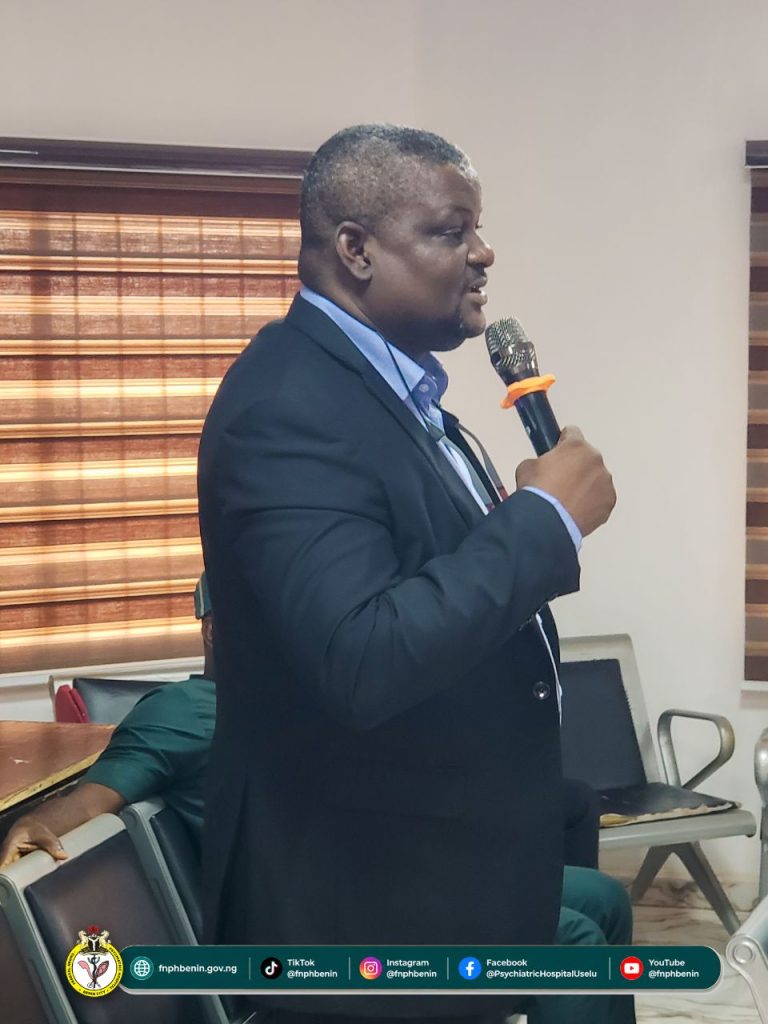
Delivering a lecture, Dr. Obu Oghenero Jonathan, a Senior Registrar at the hospital, called for compassion, respect, and appropriate care for the mentally challenged patients. He cautioned against stigmatization, noting that people with lived experience of mental illness must be heard, respected, and involved in decisions about their treatment and wellbeing. According to him, “listening to their experiences is essential to understanding their needs, improving care quality, and achieving lasting change in mental healthcare delivery”. The symposium which also featured interactive discussions and a question-and-answer session examined ways to strengthen service delivery, improve patient care, and build a more inclusive and responsive mental healthcare system.
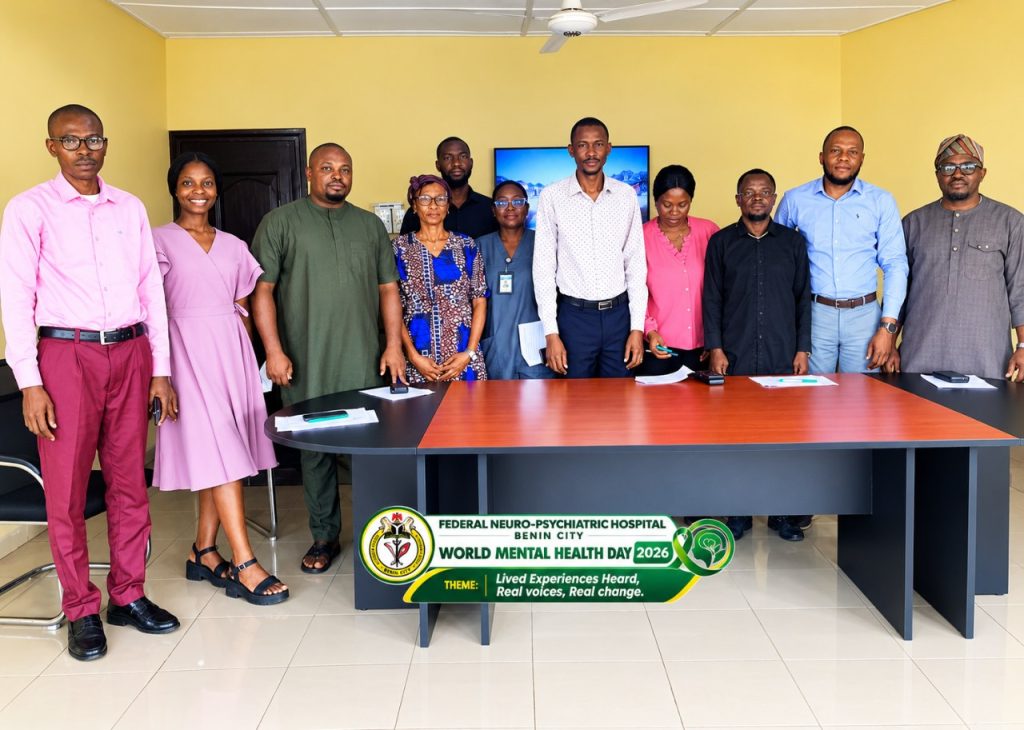
The activities concluded with a roundtable discussion on Thursday, October 15, at the hospital premises where mental health professionals, religious and community leaders, and representatives of market women discussed challenges affecting mental healthcare delivery and possible solutions through collective community action. The discussants paid particular attention to the use and abuse of hard drugs, stressing the need for sustained public education, community engagement, early intervention, and access to appropriate treatment and support. They urged people involved in substance misuse to seek professional assistance and make informed decisions that protect their health and wellbeing.
It is noteworthy that the involvement of religious and community leaders including market women representatives underscored the importance of collaboration between healthcare institutions and community stakeholders in addressing mental health challenges.
Through the activities, Federal Neuro-Psychiatric Hospital, Uselu, reaffirmed the need to take mental health awareness beyond hospital walls and bring information, support, and advocacy closer to the public. The 2026 commemoration reinforced that mental healthcare is a shared responsibility requiring more than professional intervention. It calls for a society that listens without prejudice, supports without discrimination, and recognises every individual’s dignity and worth.
Ultimately, the celebration’s message was clear: when people living with mental health conditions are heard, understood, and included, the foundation is laid for better care, stronger communities, and real change.